Our Strawberry Plants

Buy now and get it delivered when you're ready to plant

611 products

Collapsible content

Acheter Fraisier

Strawberry Plant Buying Guide: What Type of Plants? For What Market Opportunity?

Read the full article

Which format should you choose: refrigerated, fresh, tray-plants, waiting bed, or plugs? Compare yields, costs, and harvest times at a glance.

Download the PDF guide (13 pages)

Why read this guide?

  • Comparison tables: yield (300–600 g/plant), cost & labor.
  • Reservation/delivery calendar for each format.
  • Minimum order: 20 to 1,000 plants depending on the type.
  • Full-field vs. above-ground case studies to maximize margin.

Overview of the 5 professional formats

Fridge
Costs
Tray plant
Waiting Bed
Motte

Detailed comparison of formats

Format Yield
(g/plant)
Harvest time Min. order Average cost
Fridge 250 – 400 120 days 20 plants 0.20 – 0.45 €
Costs 280 – 420 140 days 200 plants 0.20 – 0.45 €
Tray plant 400 – 600 90 days 500 plants 0.75 – 0.80 €
Waiting Bed 300 – 500 105 days 500 plants 0.50 – 0.60 €
Motte 230 – 350 N+1 1,000 plants 0.35 – 0.50 €


Delivery schedule

Plant type Jan Feb Mar Apr May Jul Jul Aug Sep Oct Nov Dec
Fridge
Tray plants
Waiting Bed
Motte
Costs


Which format for which scenario?

Full field controlled budget

Fridge or Fresh : cost 2 x lower than tray plants, planting flexibility.

Above ground in greenhouse

Tray-plants : harvest 90 days after planting, uniform size, reduced labor.

Late planting

Mottes : planting July–August, rapid recovery, harvest the following year.

Ready to plan your plantings?

Download the complete guide Request a quote

Frequently Asked Questions

Is the guide free?

Yes, no fees or obligation to purchase.

How to download it?

Click the button “Download the guide” ; the PDF opens immediately.

Can I request a personalized quote?

Of course: write to us at contact@fraisiverse.com and an agronomist will respond to you within 24 hours.

Choosing the right strawberry varieties for your plot

To view the full article

Extend your harvest season by up to 5.5 months with our "early + season + everbearing" method. Compare 78 cultivars, sizes, and markets.

Download the PDF guide (17 pages)

4 axes to decide quickly

  1. Harvest Window : Early, Seasonal, or Everbearing? Combine them for 5.5 months .
  2. Commercial outlet : direct sales, long circuit, processing or freezing.
  3. Type of plants : fridge, fresh, root ball, tray plants… adapt your investments and your schedule.
  4. Growing conditions : open field, soilless, greenhouse; target consistent yield and size.

Axis 1: Select your harvest window

Example of recommended mix:

  • Ciflorette (early) → Rubis des Jardins (season) → Charlotte (remontant).
  • 5.5 months of continuous production, ideal for direct sales.

Axis 2: Sell at the right market

Direct sales

Ciflorette, Charlotte, Mara des Bois: premium taste sought after by consumers.


Long circuit / GMS

Magnum, Clery, Dream: uniform size, 95% class 1 fruit.


Transformation

Darselect, Mara des Bois – high sugar content and stable aroma.


Freezing

Honeoye, Belrubi – firm flesh, keeps well in the cold.


Axis 3: Choose the right type of plants

Kind Reservation Delivery Highlights
Fridge All year round Dec. → Aug. Flexibility & price
Tray plants Feb. → June Nov. → Apr. Above ground, harvest 90 days after planting
Motte Sep. → May Jul. → Sep. Ideal for open fields, harvest N+1
Costs Feb. → Aug. Sep. → Nov. Young plants, rapid recovery

Axis 4: Optimize your technical constraints

Tray plants guarantee +25% yield and simplified harvesting above ground; ideal for mechanizing your production and ensuring consistent size.

Frequently Asked Questions

Is the guide really free?

Yes, with no cost or obligation to purchase.

How to download it?

Just click the button “Download the guide” at the top of the page; the PDF opens immediately.

Can I request a personalized quote?

Of course: contact us via our contact page .

When to plant? When to harvest?

Do you want to start a strawberry farm but don't know when to reserve your plants, when to plant them or even harvest them?

Because we love 🍓 (with just a little sugar), we're going to do the work for you. On this page, you'll find the growing steps for each type of strawberry plant. When to order? What is the delivery period? When to plant? And finally, when to harvest?

Production Calendar - Frigo Strawberry Plants

Production Calendar - Frigo Strawberry Plants
Jan Feb Mar Apr May Jun Jul Aug Sep Oct Nov Dec
Reservation
Deliverable
Recommended planting
Harvest

Production Calendar - Fresh Bare-Root Strawberry Plants

Production Calendar - Bare Root Strawberry Plants
Jan Feb Mar Apr May Jun Jul Aug Sep Oct Nov Dec
Reservation
Deliverable
Recommended planting
Harvest

Production Calendar - Strawberry Plants Plugs

Production Calendar - Strawberry Plants Motte
Jan Feb Mar Apr May Jun Jul Aug Sep Oct Nov Dec
Reservation
Deliverable
Recommended planting
Harvest

Production Calendar - Strawberry Plant Tray

Production Calendar - Strawberry Plants Motte
Jan Feb Mar Apr May Jun Jul Aug Sep Oct Nov Dec
Reservation
Deliverable
Recommended planting
Harvest

Our Growing Guides by Plant Type / Our Growing Tips

Our online advisor: Fraisibot


Our technical itineraries by type of strawberry plant:

Technical Itinerary for Growing Strawberries from Frigo Plants

Technical Itinerary for Growing Strawberries from Plug/Pod Plants

Technical Instructions for Growing Strawberries from Tray or Mini Tray Plants

Technical Guide for Growing Strawberries from Bare-Root Fresh Strawberry Plants

Technical Instructions for Growing Strawberries from Waiting Bed Plants

All our growing tips for planting strawberries:

Strawberry Plants: Soil Preparation and Planting

Soil preparation for strawberry growing, planting techniques, and optimizing strawberry yield.

Best Practices for Irrigation and Fertilization of Strawberry Plants

Efficient irrigation systems, frequency and quantity of watering, types of fertilizers and application times, signs of nutritional deficiencies, growing strawberries in substrate, protection against frost and diseases.

Protection and Prevention of Strawberry Diseases and Pests

The main diseases and pests affecting strawberries, as well as effective methods for their prevention and treatment, including biological control and the use of resistant varieties. It provides practical advice for maintaining healthy and productive strawberry crops.

Succeeding in Strawberry Farming: Costs, Business Strategy and Subsidies

Growing strawberries requires significant initial and ongoing costs, but with effective marketing strategies and sustainable practices, growers can maximize their profits while contributing positively to the environment. Grants and financial aid are available to support necessary investments and encourage environmentally friendly farming practices.

Maximizing Strawberry Harvest and Storage: A Practical Guide

How to determine the optimal time to harvest strawberries, best practices for minimizing fruit damage during picking, and effective methods for storing and managing unsold strawberries to avoid losses and maximize profitability. It offers practical tips for extending the shelf life of strawberries, including refrigeration, freezing, and dehydration.

Strawberry Growing: Why Stagger Production? Early, Seasonal, Late? How to Choose?

Staggering strawberry production allows for harvests to be spread throughout the season, ensuring optimal fruit quality and increased profitability. Learn about recommended varieties for early, mid-season, and late-season production, as well as best practices for harvesting and storage.

  • Delivery from 10 plants to France, Switzerland and Europe

    We deliver anywhere in France as quickly as possible. Cost/quality balance is our priority.

    Delivery method 
  • Strawberry Plant Wholesale Supplier

    We work with dozens of producers to offer you the best prices.

    About Us 
  • Quality Strawberry Plants

    Our producers are selected for their reliability and the quality of their products.

    Strawberry Technical Itineraries 
  • Secure Payment

    Transfer / checks / bank card

    Our Payment Terms 

Collection: Our Strawberry Plants

Presentation of our Strawberry range

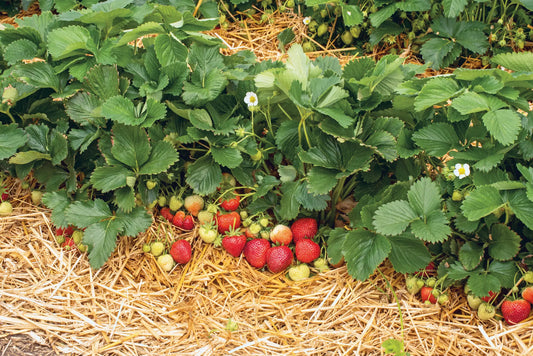
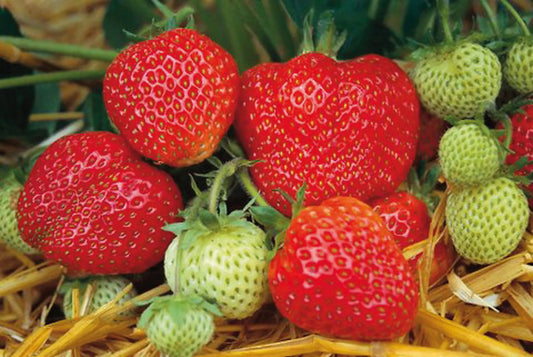
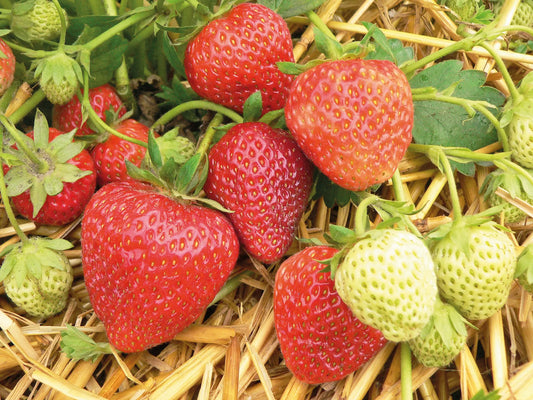
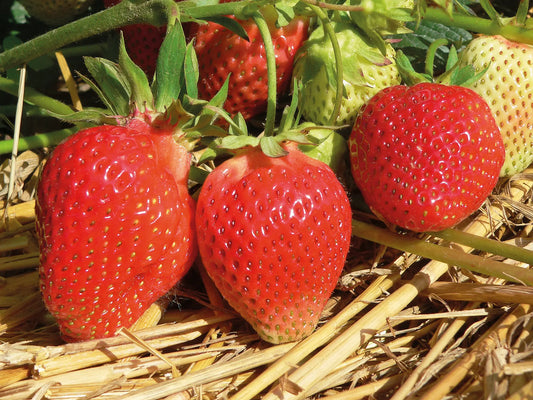
Our wide range of Strawberry plants meets all the needs of professional strawberry growers: early , late , everbearing and non-everbearing varieties, suitable for the fresh market , processing or self-service picking . Each batch of plants, from specialized nurseries , is rigorously selected for its vigor , hardiness and yield potential , guaranteeing maximum productivity and uniformity of size and taste.


Our sales arguments

  • Simple and seamless procurement : online sales platform and responsive sales service – quotes within 24 hours .
  • Personalized technical advice : complete itinerary for strawberry growers and dedicated support throughout the growing cycle.
  • Professional quality : plants produced by specialized nurseries , available all year round .
  • Careful delivery, throughout France : order shipped directly to your farm, with responsive after-sales service .
  • Producer prices : unbeatable value for money , decreasing prices according to volume , real wholesale sale of plants .
  • Unparalleled variety range : the widest range of strawberries in France , including numerous French selections .

Typology of Plant Materials for Professional Planting

The choice of plant material is a fundamental decision that directly influences the earliness, yield, fruit quality, and overall management of the crop. There are several categories of plants, each with specific characteristics adapted to various technical itineraries and the ambitions of strawberry growers.


Frigo Plants: Conservation System and Staggering of Yields

Frigo plants are bare-root plants harvested while dormant, usually in mid-November, then sorted and frozen in a cold room at a temperature of around -2°C until use. This preservation method allows the plants to develop stronger roots before harvest. These plants are classified according to the thickness of their rhizome, indicating the number of potential inflorescences. Sizes are A++ (over 18 mm), A+ (over 15 mm), A (between 10 and 14 mm), A- (between 8 and 10 mm), and B (between 6 and 8 mm).

Frigo plants are generally planted from March to the end of May. Planting early in March promotes more substantial rooting. The major advantage of A+ plants is that they allow harvesting as early as 60 days after planting in the first year, thus avoiding waiting a full year for production. For A or A- size plants, it is often recommended to remove flower clusters in the first year to focus energy on root development and optimize yield for the second year. A Frigo strawberry crop typically lasts three years, with a three-year renewal. Peak yield is generally reached in the second year.

Frigo plants are valued for their low initial cost and long availability. Although they require more intensive maintenance due to the longer time between planting and first harvest (approximately one year), they offer the potential for consistent yields.


Fresh Bare Root Plants: Economical Solution and Technical Management

Fresh bare-root plants are unrooted cuttings removed between early and mid-July and shipped directly to strawberry growers. Planting is recommended as soon as possible after receipt, with ample watering to optimize recovery. It is crucial to ensure that these plants develop sufficient foliage in the fall for nutrient uptake, which is essential for flower induction, which occurs between late September and early November.

The ideal planting time for fresh bare-root plants is generally between late July and early August, during warm weather. This type of cultivation promises an early harvest of large fruits the following year, with harvests extending from mid-May to mid-October depending on the variety. Less expensive than plug plants, fresh bare-root plants have a lower leaf-to-root ratio and lower resistance to dehydration, thus requiring more maintenance. They are a wise economic choice for experienced strawberry growers concerned with controlling costs.


Fresh Plants in Plugs: Reliable Recovery and Suitable for Beginners

Plug plants are fresh plants packaged in plug form. They are harvested as unrooted cuttings between early and mid-July, then potted and watered constantly until sufficiently rooted, with deliveries beginning in late July or early August.

Upon receipt, it is imperative to plant them and water them abundantly without delay to ensure good recovery. The ideal planting period is late July or early August, favoring their development in warm weather. Like bare-root plants, they allow an early harvest of large fruits the following year, from mid-May to mid-October.

Compared to fresh bare-root plants, plug plants have a significantly higher leaf-to-root ratio and better resistance to dehydration, which offsets their higher purchase and transportation costs with ease of recovery and less maintenance. Production reliability is also higher. This type of plant is considered a good balance between cost and maintenance, particularly suitable for novice strawberry growers.


Plants Tray and Mini-Tray: Early Production and Indoor Cultivation

Tray plants, and their Mini-Tray counterparts, are grown from runners transplanted in summer onto a soilless platform and initiated in a nursery. Unlike fresh potted plants, they remain in the tray until winter dormancy and are stored in a cold room at -2°C, allowing the plant to flower in September-October. They are particularly suited to a 60-day greenhouse culture and allow us to be among the first to offer French strawberries on the shelves, thus enhancing their higher cost.

These plants are easier and faster to plant in substrate, making them suitable for serial work. Their rooted root ball significantly reduces stress related to high temperatures, positively impacting growth and fruit size. Yield potential is high from the year of planting, with maturity reached 60 to 70 days after planting, and a yield of 4 to 5 kg/m² per growing cycle. Tray plants are reserved very early, at the latest in May of the year preceding harvest.

Tray-plant cultivation is aimed at experienced strawberry growers due to the technical expertise and equipment required. It is important to note that in organic farming, the use of tray-plants has not been permitted since 2022, except for exemptions and under specific conditions of cultivation duration, because their intensive production is considered non-compliant with organic standards.


Plant Waiting Bed: Economical Alternative to Tray Plants

Waiting Bed plants are an alternative to Tray Plants, without the intensive soilless growing phase. These are bare-root plants grown from fresh seedlings or fresh plugs, transplanted and started in a nursery in the ground, then pulled up in December and stored in the refrigerator.

Their planting period extends from December to May-June. They offer high yield potential from the year of planting, producing strawberries between 60 and 70 days after planting. WB plants are a more economical option than Tray-plants, while allowing precise programming of production dates and volumes. However, they are sensitive to high temperatures and require increased vigilance regarding irrigation and fertilization via a drip system.


Self-production by Stolonnage: Technical Autonomy and Sanitary Control

Self-producing plants from runners represents an attractive strategy for strawberry growers looking to increase their autonomy and reduce planting costs. A runner is a creeping aerial stem produced by the mother plant, forming genetically identical seedlings. Runner production is favored by the long days and high temperatures of summer, typically after fruiting.

The agronomic and economic benefits are clear: a significant reduction in plant purchasing costs, varietal autonomy allowing users to maintain their favorite cultivars, and the ability to adapt production to their needs. However, this method presents challenges, including the risk of pathogen transmission and accumulation if health vigilance is not rigorous. The labor required to maintain the mother plants and harvest the stolons must also be considered.


Technical Management of Stolon Production

For optimal runner production, choosing a healthy, fertile, well-drained plot with a slightly acidic to neutral pH (around 6.5-7.5) is crucial. A long crop rotation is imperative to avoid soil fatigue and pathogen bioaccumulation. Additions of mature compost (30 to 50 t/ha) before planting the stock plants ensure adequate background nutrition. Removing flowers from the stock plants is essential to redirect energy to runner production. Manual rooting of seedlings on the ground or in small pots may be necessary to ensure their vigor.

Runners can be transplanted immediately (fresh plants) or stored in a cold room (Frigo plants) for later planting. Cold room storage at temperatures between -2°C and 0°C allows plants to be stored for up to 8-9 months, offering great flexibility in terms of timing.


Reference Varietal Range for the French Market

The French strawberry market values ​​diversity in flavors, sizes, and harvest periods. Staggering production is a key strategy for maintaining a continuous supply and optimizing strawberry growers' revenues.


Very Early and Early Varieties: Campaign Start

  • Gariguette : A benchmark in France, very early, known for its strong acidity, its fragrance and its slightly sweet taste. It is medium-sized, elongated, orange-red to bright red. Its productivity is average. It prefers well-drained soils and is sensitive to calcareous soils.
  • Clery : Also very early, it offers excellent taste quality and an intense aroma. Its fruits are large, uniform in size, elongated conical and bright carmine red. It is suitable for both open ground and above ground cultivation. Clery is tolerant to certain foliage and root diseases.
  • Allegro : Very early, with juicy fruit and a good sweet aroma (Brix score of 9). It is very disease resistant and offers better picking performance, with strawberries appearing on the outside of the leaves. Its yield is 25% higher than Clery.
  • Flair : Very early, ripens 7 to 10 days before Elsanta and 3 to 5 days before Cléry. It has a very good flavor. It is sensitive to late frosts and requires a lot of amendments for optimal yield.
  • Dély : Very early, with excellent taste and a wild strawberry aroma. It is hardy and cold-resistant, offering very high yield potential. The fruit is large, regular, heart-shaped, and uniformly bright red.
  • Favette : Very early, with a good sugar-acid balance. Hardy and vigorous, it offers a medium to high yield with large red currant fruits.
  • Twist : Very early, a good alternative to Clery or Gariguette. It has good taste, a high sugar content, and good resistance to Phytophthora. Its fruits are large (22g on average), long and conical.


Mid-Season Varieties: Heart of Production

  • Darselect : A seasonal variety, very sweet and firm, ideal for pies. It has an excellent shelf life and is resistant to common diseases. Very easy to pick, it offers a large yield of large, long, conical, bright orange-red strawberries.
  • Elsanta : One of the most widely grown varieties in Europe, it is tasty and perfect for fresh consumption. It is susceptible to Phytophthora but resistant to mildew. It produces high yields with large, conical fruits.
  • Rubis des Jardins : Seasonal, it is known for its taste and good sugar/aromatic balance. Very vigorous and resistant to powdery mildew, it offers a good yield of medium to large, round, bright red fruits.
  • Magnum : Mid-early, it is one of the sweetest varieties with a high BRIX. It has a high disease tolerance and a good yield of round, intense red and shiny fruits.
  • Verdi : Medium early, juicy and deliciously sweet, with good shelf life. It has good disease tolerance and produces a large yield of conical, uniform, glossy dark red fruits.
  • Sonata : Mid-late season, a juicier evolution of Sonata. It is very easy to pick and offers a higher yield than Sonata, with fairly large, conical, very bright red fruits.
  • Joly : Mid-early, with a very sweet and aromatic taste, perfect for jam. Very disease tolerant, it offers a very high yield and is easy to pick.


Late and Very Late Varieties: Campaign Extension

  • Malwina : Very late, it is harvested in August-September and is very sweet if picked when ripe. Not very susceptible to diseases (verticillium, rot), it offers a good yield of large size, little deformed and very shiny. Malwina is also little affected by heavy rains and sunburn.
  • Magnus : Late, with good taste and firm fruit. It offers good resistance to root and foliar diseases, with a high percentage of Class 1 fruit and a high yield. It is ideal for wholesale and allows for a longer harvest.
  • Salsa : Late-ripening, it is characterized by excellent taste and very juicy fruits. It is very resistant to frost and disease, with a very high yield. Its very large fruits are an asset for direct sales.
  • Florence : Late, very aromatic and disease resistant, but susceptible to sunburn. It keeps well and produces a high yield of conical, bright red fruits.
  • Cadenza : Late to very late, with good flavor and very juicy. It has good resistance to rain and is very hardy, with good picking speed and large, firm, shiny conical fruits.


Everbearing Varieties: Continuous Multi-Cycle Production

  • Mara des Bois : Repeat-bearing, it produces from June to October, is very sweet and is a consumer favorite. Resistant to Botrytis and powdery mildew, it has a high yield potential, up to 1 kg per plant.
  • Charlotte : Everbearing, from July to October, it offers a strong aroma of wild strawberry, sweet and slightly acidic. Not susceptible to powdery mildew, it has a high yield potential and is easy to pick.
  • Murano : Everbearing, it offers a perfect sugar/acid balance and very good disease resistance. Very productive with a beautiful presentation in a tray.
  • San Andreas : Everbearing, from July until frost, it has juicy flesh and excellent resistance to powdery mildew. It has high yield potential and very large, uniform fruits.
  • Favorite : Everbearing, it offers a wild strawberry aroma and a balanced, crisp taste. Not susceptible to powdery mildew, it offers a large yield with consistent size throughout the season.

To summarize: Our Strawberry plants

At Fraisiverse , we provide a complete range of Strawberry plants suitable for all production strategies. Whether you are looking for refrigerated, fresh bare-root, plug, tray or waiting bed plants, we offer batches selected for their vigor, uniformity and yield potential. As a specialist wholesale supplier of Strawberry plants , we ensure controlled sourcing from professional nurseries, with rigorous traceability and packaging optimized for recovery. You can buy Strawberry plants with complete confidence: our offer is designed to meet the expectations of producers in conventional and organic agriculture. Each category of plant is accompanied by precise recommendations according to the planting period, the climatic zone and the precocity or yield objectives. As a specialist wholesale supplier of Strawberry plants , we also guarantee dedicated technical support and efficient logistics for reliable delivery throughout France. Our sales department is at your disposal to adapt volumes and schedules to your production constraints. Whether you are growing in the ground, under cover or above ground, you will find the products that suit your growing system with us. Buying Strawberry plants also means access to proven technical expertise and decreasing prices according to your needs. As a specialist wholesale supplier of Strawberry plants , Fraisiverse supports you every step of the way, from choosing the right plant material to ensuring the success of your crop. Buying Strawberry plants from our team means choosing safety, performance and durability.

Fraisiverse - Your supplier of quality strawberry plants. Organic or conventional. Delivery throughout France. Wide range of strawberry plants: Tray Strawberry Plants, Motte Strawberry Plants, Frigo Strawberry Plants, Waiting Bed Strawberry Plants. Strawberry plants for professional and private strawberry growers