Organic Strawberry Plant Wholesaler
Buy now and get it delivered when you're ready to plant
-
Dahli Organic Potted Strawberry Plant
Regular price €0,35 EURRegular priceUnit price / perSale price €0,35 EUR -
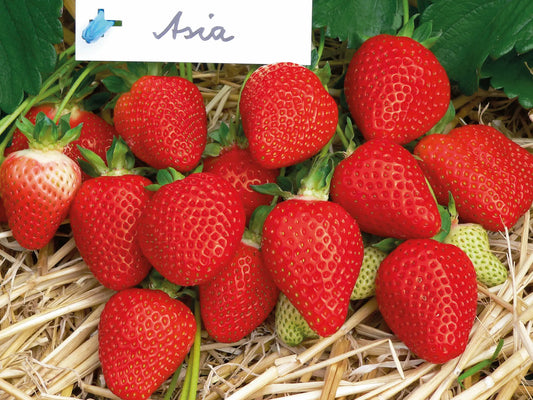
Asia Organic Potted Strawberry Plant
Regular price €0,33 EURRegular priceUnit price / perSale price €0,33 EUR -
Aprica Organic Potted Strawberry Plant
Regular price €0,34 EURRegular priceUnit price / perSale price €0,34 EUR -
Allegro Organic Potted Strawberry Plant
Regular price €0,34 EURRegular priceUnit price / perSale price €0,34 EUR -
Alba Organic Potted Strawberry Plant
Regular price €0,33 EURRegular priceUnit price / perSale price €0,33 EUR
Collapsible content
Strawberry Plant Buying Guide: What Type of Plants? For What Market Opportunity?
Which format should you choose: refrigerated, fresh, tray-plants, waiting bed, or plugs? Compare yields, costs, and harvest times at a glance.
Download the PDF guide (13 pages)
Why read this guide?
- Comparison tables: yield (300–600 g/plant), cost & labor.
- Reservation/delivery calendar for each format.
- Minimum order: 20 to 1,000 plants depending on the type.
- Full-field vs. above-ground case studies to maximize margin.
Overview of the 5 professional formats
Detailed comparison of formats
| Format | Yield (g/plant) |
Harvest time | Min. order | Average cost |
|---|---|---|---|---|
| Fridge | 250 – 400 | 120 days | 20 plants | 0.20 – 0.45 € |
| Costs | 280 – 420 | 140 days | 200 plants | 0.20 – 0.45 € |
| Tray plant | 400 – 600 | 90 days | 500 plants | 0.75 – 0.80 € |
| Waiting Bed | 300 – 500 | 105 days | 500 plants | 0.50 – 0.60 € |
| Motte | 230 – 350 | N+1 | 1,000 plants | 0.35 – 0.50 € |
Delivery schedule
| Plant type | Jan | Feb | Mar | Apr | May | Jul | Jul | Aug | Sep | Oct | Nov | Dec |
|---|---|---|---|---|---|---|---|---|---|---|---|---|
| Fridge | ||||||||||||
| Tray plants | ||||||||||||
| Waiting Bed | ||||||||||||
| Motte | ||||||||||||
| Costs |
Which format for which scenario?
Full field controlled budget
Fridge or Fresh : cost 2 x lower than tray plants, planting flexibility.
Above ground in greenhouse
Tray-plants : harvest 90 days after planting, uniform size, reduced labor.
Late planting
Mottes : planting July–August, rapid recovery, harvest the following year.
Ready to plan your plantings?
Download the complete guide Request a quoteFrequently Asked Questions
Is the guide free?
Yes, no fees or obligation to purchase.
How to download it?
Click the button “Download the guide” ; the PDF opens immediately.
Can I request a personalized quote?
Of course: write to us at contact@fraisiverse.com and an agronomist will respond to you within 24 hours.
Choosing the right strawberry varieties for your plot
Extend your harvest season by up to 5.5 months with our "early + season + everbearing" method. Compare 78 cultivars, sizes, and markets.
Download the PDF guide (17 pages)
4 axes to decide quickly
- Harvest Window : Early, Seasonal, or Everbearing? Combine them for 5.5 months .
- Commercial outlet : direct sales, long circuit, processing or freezing.
- Type of plants : fridge, fresh, root ball, tray plants… adapt your investments and your schedule.
- Growing conditions : open field, soilless, greenhouse; target consistent yield and size.
Axis 1: Select your harvest window
Example of recommended mix:
- Ciflorette (early) → Rubis des Jardins (season) → Charlotte (remontant).
- 5.5 months of continuous production, ideal for direct sales.
Axis 2: Sell at the right market
Direct sales
Ciflorette, Charlotte, Mara des Bois: premium taste sought after by consumers.
Long circuit / GMS
Magnum, Clery, Dream: uniform size, 95% class 1 fruit.
Transformation
Darselect, Mara des Bois – high sugar content and stable aroma.
Freezing
Honeoye, Belrubi – firm flesh, keeps well in the cold.
Axis 3: Choose the right type of plants
| Kind | Reservation | Delivery | Highlights |
|---|---|---|---|
| Fridge | All year round | Dec. → Aug. | Flexibility & price |
| Tray plants | Feb. → June | Nov. → Apr. | Above ground, harvest 90 days after planting |
| Motte | Sep. → May | Jul. → Sep. | Ideal for open fields, harvest N+1 |
| Costs | Feb. → Aug. | Sep. → Nov. | Young plants, rapid recovery |
Axis 4: Optimize your technical constraints
Tray plants guarantee +25% yield and simplified harvesting above ground; ideal for mechanizing your production and ensuring consistent size.
Frequently Asked Questions
Is the guide really free?
Yes, with no cost or obligation to purchase.
How to download it?
Just click the button “Download the guide” at the top of the page; the PDF opens immediately.
Can I request a personalized quote?
Of course: contact us via our contact page .
When to plant? When to harvest?
Do you want to start a strawberry farm but don't know when to reserve your plants, when to plant them or even harvest them?
Because we love 🍓 (with just a little sugar), we're going to do the work for you. On this page, you'll find the growing steps for each type of strawberry plant. When to order? What is the delivery period? When to plant? And finally, when to harvest?
Production Calendar - Frigo Strawberry Plants
| Production Calendar - Frigo Strawberry Plants | ||||||||||||||||||||||||
|---|---|---|---|---|---|---|---|---|---|---|---|---|---|---|---|---|---|---|---|---|---|---|---|---|
| Jan | Feb | Mar | Apr | May | Jun | Jul | Aug | Sep | Oct | Nov | Dec | |||||||||||||
| Reservation | ||||||||||||||||||||||||
| Deliverable | ||||||||||||||||||||||||
| Recommended planting | ||||||||||||||||||||||||
| Harvest | ||||||||||||||||||||||||
Production Calendar - Fresh Bare-Root Strawberry Plants
| Production Calendar - Bare Root Strawberry Plants | ||||||||||||||||||||||||
|---|---|---|---|---|---|---|---|---|---|---|---|---|---|---|---|---|---|---|---|---|---|---|---|---|
| Jan | Feb | Mar | Apr | May | Jun | Jul | Aug | Sep | Oct | Nov | Dec | |||||||||||||
| Reservation | ||||||||||||||||||||||||
| Deliverable | ||||||||||||||||||||||||
| Recommended planting | ||||||||||||||||||||||||
| Harvest | ||||||||||||||||||||||||
Production Calendar - Strawberry Plants Plugs
| Production Calendar - Strawberry Plants Motte | ||||||||||||||||||||||||
|---|---|---|---|---|---|---|---|---|---|---|---|---|---|---|---|---|---|---|---|---|---|---|---|---|
| Jan | Feb | Mar | Apr | May | Jun | Jul | Aug | Sep | Oct | Nov | Dec | |||||||||||||
| Reservation | ||||||||||||||||||||||||
| Deliverable | ||||||||||||||||||||||||
| Recommended planting | ||||||||||||||||||||||||
| Harvest | ||||||||||||||||||||||||
Production Calendar - Strawberry Plant Tray
| Production Calendar - Strawberry Plants Motte | ||||||||||||||||||||||||
|---|---|---|---|---|---|---|---|---|---|---|---|---|---|---|---|---|---|---|---|---|---|---|---|---|
| Jan | Feb | Mar | Apr | May | Jun | Jul | Aug | Sep | Oct | Nov | Dec | |||||||||||||
| Reservation | ||||||||||||||||||||||||
| Deliverable | ||||||||||||||||||||||||
| Recommended planting | ||||||||||||||||||||||||
| Harvest | ||||||||||||||||||||||||
Our Growing Guides by Plant Type / Our Growing Tips
Our online advisor: Fraisibot
Our technical itineraries by type of strawberry plant:
Technical Itinerary for Growing Strawberries from Frigo Plants
Technical Itinerary for Growing Strawberries from Plug/Pod Plants
Technical Instructions for Growing Strawberries from Tray or Mini Tray Plants
Technical Guide for Growing Strawberries from Bare-Root Fresh Strawberry Plants
Technical Instructions for Growing Strawberries from Waiting Bed Plants
All our growing tips for planting strawberries:
Strawberry Plants: Soil Preparation and Planting
Soil preparation for strawberry growing, planting techniques, and optimizing strawberry yield.
Best Practices for Irrigation and Fertilization of Strawberry Plants
Efficient irrigation systems, frequency and quantity of watering, types of fertilizers and application times, signs of nutritional deficiencies, growing strawberries in substrate, protection against frost and diseases.
Protection and Prevention of Strawberry Diseases and Pests
The main diseases and pests affecting strawberries, as well as effective methods for their prevention and treatment, including biological control and the use of resistant varieties. It provides practical advice for maintaining healthy and productive strawberry crops.
Succeeding in Strawberry Farming: Costs, Business Strategy and Subsidies
Growing strawberries requires significant initial and ongoing costs, but with effective marketing strategies and sustainable practices, growers can maximize their profits while contributing positively to the environment. Grants and financial aid are available to support necessary investments and encourage environmentally friendly farming practices.
Maximizing Strawberry Harvest and Storage: A Practical Guide
How to determine the optimal time to harvest strawberries, best practices for minimizing fruit damage during picking, and effective methods for storing and managing unsold strawberries to avoid losses and maximize profitability. It offers practical tips for extending the shelf life of strawberries, including refrigeration, freezing, and dehydration.
Strawberry Growing: Why Stagger Production? Early, Seasonal, Late? How to Choose?
Staggering strawberry production allows for harvests to be spread throughout the season, ensuring optimal fruit quality and increased profitability. Learn about recommended varieties for early, mid-season, and late-season production, as well as best practices for harvesting and storage.
-
Delivery from 10 plants to France, Switzerland and Europe
Delivery methodWe deliver anywhere in France as quickly as possible. Cost/quality balance is our priority.
-
Strawberry Plant Wholesale Supplier
About UsWe work with dozens of producers to offer you the best prices.
-
Quality Strawberry Plants
Strawberry Technical ItinerariesOur producers are selected for their reliability and the quality of their products.
-
Collection: Organic Strawberry Plant Wholesaler
Why choose Fraisiverse as a specialist wholesaler for your organic strawberries?
1. Complete short circuit – from the nursery to your plot
At Fraisiverse, strawberry plants are propagated, selected, and packaged by our European nursery partners, without any intermediaries. You benefit from stable producer prices and rigorous quality control on each batch (classification, vigor, health, varietal homogeneity).
2. B2B logistics calibrated for professionals
- Real-time availability: daily stock updates; to guarantee your quantities and planting schedule, it is advisable to reserve your plants 6 to 9 months in advance .
- Express preparation: during the season, shipping within 5 to 10 working days throughout France and Europe; deliveries outside Europe on quote.
- Optimized packaging: we select the most protective solution for plant health while controlling logistics costs.
- Delivery: France within 5 days, Europe within 10 days; for destinations outside Europe, we provide a tailor-made offer. Incoterms DAP or FCA of your choice.
- Proactive monitoring: real-time tracking provided by our teams.
3. Strawberry expertise
Founded in 2024 by market gardening enthusiasts, Fraisiverse puts its expertise in professional strawberry cultivation at the service of your farms. Our technical team advises you on:
- the choice of varieties (early, everbearing, seasonal, late) depending on your marketing niche,
- the densities and types of plants (pots, mini-clods, fridges, trays, etc.) to maximize yield and visual quality,
4. Guarantees & customer reviews
-
Google Rating: 5/5
Reactivity, sanitary quality and homogeneity of the plants are the most cited points.
How to order from Fraisiverse?
Request your personalized quote now – response within 48 hours for a batch of strawberry plants:
- Send your quantities, varieties and delivery dates to info@economealegumes.fr
- Call us at 06 28 78 57 28
- Or fill out our online form directly: https://fraisiverse.com/pages/contact
We open your wholesale account in less than 24 hours, with no activation fees, and provide a customized quote based on your volumes.
Organic production of professional strawberry plants
Organic strawberry farming is based on a systemic approach that prioritizes prevention and ecosystem resilience. This involves rigorous soil management, appropriate varietal choices, and integrated pest protection strategies. For professional strawberry growers, the goal is to reconcile satisfactory yields , fruit quality , and compliance with organic specifications.
Varietal selection for organic production
The success of organic strawberry cultivation begins with varietal selection. Strawberry varieties chosen for organic production must exhibit robustness and inherent resistance to diseases and certain pests, in order to reduce the need for phytosanitary treatments, whether or not they are permitted in organic farming. Good general hardiness and adaptability to varied climatic conditions are also major assets.
Varieties recommended for organic cultivation
Several varieties are distinguished by their suitability for organic cultivation, often thanks to high resistance to certain major diseases.
The Aprica variety is an excellent example, renowned for its very good overall disease resistance, both in the roots and foliage. This characteristic is particularly advantageous for organic producers or those seeking to limit the use of chemicals, allowing for a reduction in the use of phytosanitary treatments. Its robustness and good fruit stability also contribute to an excellent compromise between resistance to foliar diseases and fruit strength.
Likewise, the Belrubi strawberry plant is praised for its robustness and general resilience against major strawberry pests, resulting in a low frequency of specific phytosanitary interventions under conventional production conditions. Its good overall hardiness and high disease resistance make it a relevant choice for organic farming.
The Cantaliss variety is also described as "very hardy" and "disease resistant," making it easy to grow professionally. It demonstrates good tolerance to thrips and good resistance to aphids, with spider mite populations rarely being problematic, as they are naturally controlled by beneficials or through specific inputs.
For its part, Cirafine is known for its very good general hardiness and frost resistance, being able to withstand temperatures down to -20°C for the adult plant. Combined with good tolerance to powdery mildew, this hardiness makes it a reliable variety for growers wishing to limit interventions.
The Cirano strawberry plant exhibits high overall disease resistance, particularly to powdery mildew and fungal diseases. Its robustness is an asset for intensive harvesting and post-harvest logistics, reducing damage.
The Favori is described as a variety that is "naturally resistant to disease and insects" and "tolerant to major root diseases," in addition to being "lowly susceptible to powdery mildew." This robustness is a major advantage in reducing the need for phytosanitary treatments.
The Magnus strawberry plant is distinguished by its high resistance to root and foliar diseases, which is a major asset in organic production. Biological control is also recommended for the management of its pests, including aphids and spider mites.
Malwina prefers a slightly acidic soil with an optimal pH between 5.8 and 6.2 , rich in organic matter, ideally amended with compost or well-rotted manure. These requirements are perfectly aligned with organic practices.
Renaissance is touted as having good vigor and natural disease resistance, making it suitable for sustainable or organic production.
Rubis des Jardins is also a preferred choice for organic and professional cultivation, thanks to its excellent general resistance to common diseases (powdery mildew, botrytis, phytophthora).
Finally, Rumba is explicitly prized for organic cultivation due to its earliness, robustness, and taste appeal. Its strong overall resistance and adaptation to varied soils, including medium-calcareous ones, as well as its relative drought tolerance, make it a robust option for organic systems.
The Twist strawberry plant is distinguished by its natural resistance to phytophthora, a major root disease, which considerably reduces the need for phytosanitary treatments.
Soil management and nutrition in organic farming
Soil health is the cornerstone of organic strawberry growing. For varieties like Perla , a light, sandy loam or loamy soil rich in organic matter is crucial, with mature compost or organic amendments incorporated into the plant. The optimal pH is between 5.5 and 6.5 .
The Ciflorette variety benefits from optimized fertilization through the use of organic or natural mineral products if in organic farming, such as mature manure or well-rotted compost. Nitrogen, phosphorus, and potassium inputs are split, with a basic fertilization before planting, supplemented by inputs at the vegetative restart and before the main flowering. The calcium input is also essential for fruit quality.
For Cijosée , a loose, fertile and well-drained soil, rich in humus and generously amended with mature compost or well-rotted manure is recommended, with an ideal pH between 6.0 and 7.0 .
Faith strawberries require a deep, humus-rich, siliceous-clayey soil with good permeability, with a pH between 6.5 and 7.5 . Amending with well-rotted manure or compost is strongly recommended. Crop rotation, with a minimum of 4 to 5 years without strawberries on the same plot, is also a fundamental agronomic practice to limit pest pressure.
Malwina and Twist share similar requirements: loamy soil, rich in organic matter (compost or manure), with an optimal pH of 5.8 to 6.2 . Drainage is essential to avoid root diseases, and mulching is recommended to maintain moisture.
The fertilization plan for the Talisman in organic cultivation includes well-matured compost ( 20-30 t/ha ) or decomposed manure, adjusting the mineral inputs with products authorized in organic farming. The Rendezvous also benefits from organic inputs ( 25 to 30 t/ha of matured compost or well-matured manure) and crop rotation ( 3-4 years without strawberries) for optimal health management in organic farming. Similarly, the fertilization plan for Twist clearly includes the use of organic amendments in organic farming.
In general, strawberries are sensitive to soil salinity; it is recommended to maintain an electrical conductivity (EC) below 1.5 mS/cm for most varieties in production. For Rabunda , it is advisable to aim for 0.5 to 0.8 mS/cm and never exceed 1.0 mS/cm .
Health protection in organic farming
In organic farming, pest and disease management is primarily based on prevention and stimulation of the plant's natural defenses, rather than on curative intervention.
Varieties with general robustness and disease resistance are preferred to limit treatments. This is the case for varieties such as Perla , Aprica , Belrubi , Bravura (tolerant to Phytophthora and Powdery Mildew), Cantaliss , Cirafine , Cirano , Gento , Joly , Magnus , Malwina , Renaissance , Rubis des Jardins , Rumba , and Séraphine .
Integrated biological control
Biological control is an essential component. The use of natural auxiliaries is recommended for the control of aphids (ladybugs, hoverflies, midges), spider mites (Phytoseiulus persimilis, Neoseiulus californicus) and thrips (Orius insidiosus, lacewings). For weevils, beneficial nematodes can be considered.
No variety is completely resistant to Drosophila suzukii . Management relies on rigorous prophylactic measures: very frequent harvesting and rapid removal of all fruit (including damaged ones) to break the pest cycle. The use of insect nets can also be an effective preventative measure.
Regarding angular leaf spot (Xanthomonas fragariae) , it is important to note that very few commercial varieties, including those mentioned, display high and stable resistance to this bacterium. Control therefore relies mainly on the use of certified disease-free plants and on cultural practices that avoid conditions favorable to the development of the disease, such as sprinkler irrigation at the beginning of the season.
Crop management and monitoring in organic production
A preliminary soil analysis is essential to precisely adjust nutrient and organic inputs. Crop rotation is essential to prevent the accumulation of soil pathogens. Mulching is strongly recommended to maintain soil moisture, limit weeds, and protect fruit. Perfect drainage is crucial to prevent root asphyxiation and associated diseases, even if planting on mounds in heavy soils.
To ensure optimal productivity and quality, it is often advisable to renew plants every 2 to 3 years , even for robust varieties, in order to prevent qualitative decline and the accumulation of diseases and viruses.
Fraisiverse - Your supplier of quality strawberry plants. Organic or conventional. Delivery throughout France. Wide range of strawberry plants: Tray Strawberry Plants, Motte Strawberry Plants, Frigo Strawberry Plants, Waiting Bed Strawberry Plants. Strawberry plants for professional and private strawberry growers