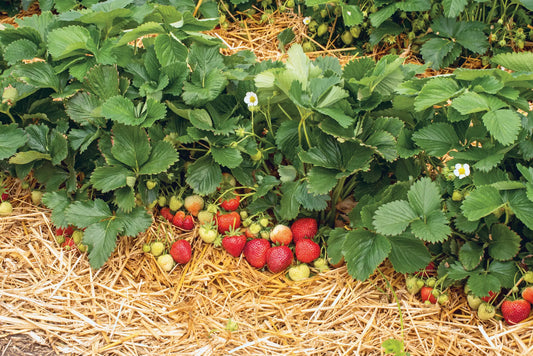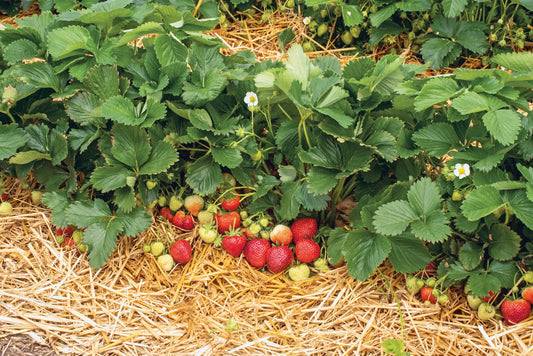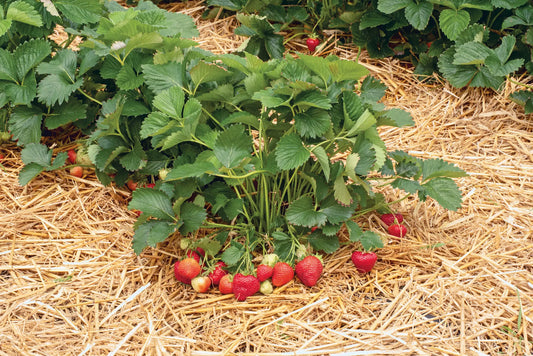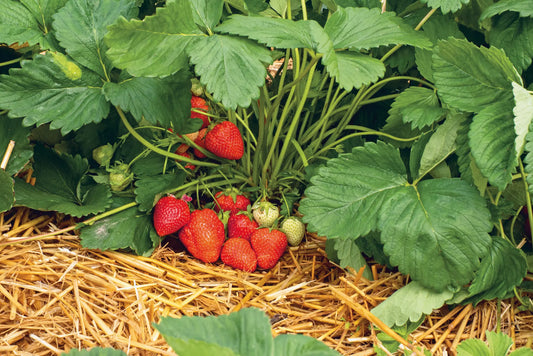
Bare root strawberry supplier
Buy now and get it delivered when you're ready to plant
-
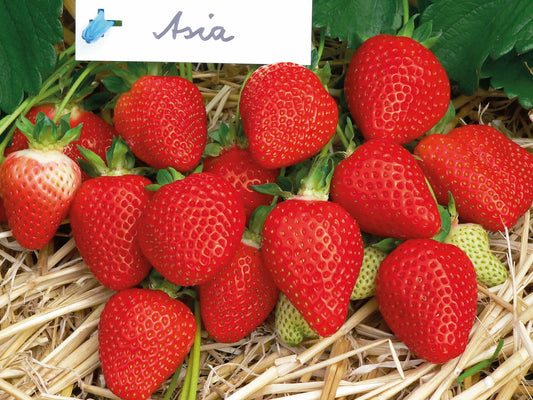
Asia Fresh Bare-Root Strawberry Plant
Regular price €0,19 EURRegular priceUnit price / perSale price €0,19 EUR -
Flair Fresh Bare-Root Strawberry Plant
Regular price €0,19 EURRegular priceUnit price / perSale price €0,19 EUR -
Rumba Fresh Bare-Root Strawberry Plant
Regular price €0,19 EURRegular priceUnit price / perSale price €0,19 EUR -
Allegro Fresh Bare-Root Strawberry Plant
Regular price €0,20 EURRegular priceUnit price / perSale price €0,20 EUR -
Aprica Fresh Bare-Root Strawberry Plant
Regular price €0,20 EURRegular priceUnit price / perSale price €0,20 EUR -
Dahli Fresh Bare-Root Strawberry Plant
Regular price €0,20 EURRegular priceUnit price / perSale price €0,20 EUR -
Faith Fresh Bare-Root Strawberry Plant
Regular price €0,20 EURRegular priceUnit price / perSale price €0,20 EUR -
Falco Fresh Bare-Root Strawberry Plant
Regular price €0,20 EURRegular priceUnit price / perSale price €0,20 EUR -
Glorielle Fresh Bare-Root Strawberry Plant
Regular price €0,20 EURRegular priceUnit price / perSale price €0,20 EUR -
Lola Fresh Bare-Root Strawberry Plant
Regular price €0,20 EURRegular priceUnit price / perSale price €0,20 EUR -
Malling Centenary Fresh Bare-Root Strawberry Plant
Regular price €0,20 EURRegular priceUnit price / perSale price €0,20 EUR -
Magnus Fresh Bare-Root Strawberry Plant
Regular price €0,20 EURRegular priceUnit price / perSale price €0,20 EUR
Collapsible content
Strawberry Plant Buying Guide: What Type of Plants? For What Market Opportunity?
Which format should you choose: refrigerated, fresh, tray-plants, waiting bed, or plugs? Compare yields, costs, and harvest times at a glance.
Download the PDF guide (13 pages)
Why read this guide?
- Comparison tables: yield (300–600 g/plant), cost & labor.
- Reservation/delivery calendar for each format.
- Minimum order: 20 to 1,000 plants depending on the type.
- Full-field vs. above-ground case studies to maximize margin.
Overview of the 5 professional formats
Detailed comparison of formats
| Format | Yield (g/plant) |
Harvest time | Min. order | Average cost |
|---|---|---|---|---|
| Fridge | 250 – 400 | 120 days | 20 plants | 0.20 – 0.45 € |
| Costs | 280 – 420 | 140 days | 200 plants | 0.20 – 0.45 € |
| Tray plant | 400 – 600 | 90 days | 500 plants | 0.75 – 0.80 € |
| Waiting Bed | 300 – 500 | 105 days | 500 plants | 0.50 – 0.60 € |
| Motte | 230 – 350 | N+1 | 1,000 plants | 0.35 – 0.50 € |
Delivery schedule
| Plant type | Jan | Feb | Mar | Apr | May | Jul | Jul | Aug | Sep | Oct | Nov | Dec |
|---|---|---|---|---|---|---|---|---|---|---|---|---|
| Fridge | ||||||||||||
| Tray plants | ||||||||||||
| Waiting Bed | ||||||||||||
| Motte | ||||||||||||
| Costs |
Which format for which scenario?
Full field controlled budget
Fridge or Fresh : cost 2 x lower than tray plants, planting flexibility.
Above ground in greenhouse
Tray-plants : harvest 90 days after planting, uniform size, reduced labor.
Late planting
Mottes : planting July–August, rapid recovery, harvest the following year.
Ready to plan your plantings?
Download the complete guide Request a quoteFrequently Asked Questions
Is the guide free?
Yes, no fees or obligation to purchase.
How to download it?
Click the button “Download the guide” ; the PDF opens immediately.
Can I request a personalized quote?
Of course: write to us at contact@fraisiverse.com and an agronomist will respond to you within 24 hours.
Choosing the right strawberry varieties for your plot
Extend your harvest season by up to 5.5 months with our "early + season + everbearing" method. Compare 78 cultivars, sizes, and markets.
Download the PDF guide (17 pages)
4 axes to decide quickly
- Harvest Window : Early, Seasonal, or Everbearing? Combine them for 5.5 months .
- Commercial outlet : direct sales, long circuit, processing or freezing.
- Type of plants : fridge, fresh, root ball, tray plants… adapt your investments and your schedule.
- Growing conditions : open field, soilless, greenhouse; target consistent yield and size.
Axis 1: Select your harvest window
Example of recommended mix:
- Ciflorette (early) → Rubis des Jardins (season) → Charlotte (remontant).
- 5.5 months of continuous production, ideal for direct sales.
Axis 2: Sell at the right market
Direct sales
Ciflorette, Charlotte, Mara des Bois: premium taste sought after by consumers.
Long circuit / GMS
Magnum, Clery, Dream: uniform size, 95% class 1 fruit.
Transformation
Darselect, Mara des Bois – high sugar content and stable aroma.
Freezing
Honeoye, Belrubi – firm flesh, keeps well in the cold.
Axis 3: Choose the right type of plants
| Kind | Reservation | Delivery | Highlights |
|---|---|---|---|
| Fridge | All year round | Dec. → Aug. | Flexibility & price |
| Tray plants | Feb. → June | Nov. → Apr. | Above ground, harvest 90 days after planting |
| Motte | Sep. → May | Jul. → Sep. | Ideal for open fields, harvest N+1 |
| Costs | Feb. → Aug. | Sep. → Nov. | Young plants, rapid recovery |
Axis 4: Optimize your technical constraints
Tray plants guarantee +25% yield and simplified harvesting above ground; ideal for mechanizing your production and ensuring consistent size.
Frequently Asked Questions
Is the guide really free?
Yes, with no cost or obligation to purchase.
How to download it?
Just click the button “Download the guide” at the top of the page; the PDF opens immediately.
Can I request a personalized quote?
Of course: contact us via our contact page .
When to plant? When to harvest?
Do you want to start a strawberry farm but don't know when to reserve your plants, when to plant them or even harvest them?
Because we love 🍓 (with just a little sugar), we're going to do the work for you. On this page, you'll find the growing steps for each type of strawberry plant. When to order? What is the delivery period? When to plant? And finally, when to harvest?
Production Calendar - Frigo Strawberry Plants
| Production Calendar - Frigo Strawberry Plants | ||||||||||||||||||||||||
|---|---|---|---|---|---|---|---|---|---|---|---|---|---|---|---|---|---|---|---|---|---|---|---|---|
| Jan | Feb | Mar | Apr | May | Jun | Jul | Aug | Sep | Oct | Nov | Dec | |||||||||||||
| Reservation | ||||||||||||||||||||||||
| Deliverable | ||||||||||||||||||||||||
| Recommended planting | ||||||||||||||||||||||||
| Harvest | ||||||||||||||||||||||||
Production Calendar - Fresh Bare-Root Strawberry Plants
| Production Calendar - Bare Root Strawberry Plants | ||||||||||||||||||||||||
|---|---|---|---|---|---|---|---|---|---|---|---|---|---|---|---|---|---|---|---|---|---|---|---|---|
| Jan | Feb | Mar | Apr | May | Jun | Jul | Aug | Sep | Oct | Nov | Dec | |||||||||||||
| Reservation | ||||||||||||||||||||||||
| Deliverable | ||||||||||||||||||||||||
| Recommended planting | ||||||||||||||||||||||||
| Harvest | ||||||||||||||||||||||||
Production Calendar - Strawberry Plants Plugs
| Production Calendar - Strawberry Plants Motte | ||||||||||||||||||||||||
|---|---|---|---|---|---|---|---|---|---|---|---|---|---|---|---|---|---|---|---|---|---|---|---|---|
| Jan | Feb | Mar | Apr | May | Jun | Jul | Aug | Sep | Oct | Nov | Dec | |||||||||||||
| Reservation | ||||||||||||||||||||||||
| Deliverable | ||||||||||||||||||||||||
| Recommended planting | ||||||||||||||||||||||||
| Harvest | ||||||||||||||||||||||||
Production Calendar - Strawberry Plant Tray
| Production Calendar - Strawberry Plants Motte | ||||||||||||||||||||||||
|---|---|---|---|---|---|---|---|---|---|---|---|---|---|---|---|---|---|---|---|---|---|---|---|---|
| Jan | Feb | Mar | Apr | May | Jun | Jul | Aug | Sep | Oct | Nov | Dec | |||||||||||||
| Reservation | ||||||||||||||||||||||||
| Deliverable | ||||||||||||||||||||||||
| Recommended planting | ||||||||||||||||||||||||
| Harvest | ||||||||||||||||||||||||
Our Growing Guides by Plant Type / Our Growing Tips
Our online advisor: Fraisibot
Our technical itineraries by type of strawberry plant:
Technical Itinerary for Growing Strawberries from Frigo Plants
Technical Itinerary for Growing Strawberries from Plug/Pod Plants
Technical Instructions for Growing Strawberries from Tray or Mini Tray Plants
Technical Guide for Growing Strawberries from Bare-Root Fresh Strawberry Plants
Technical Instructions for Growing Strawberries from Waiting Bed Plants
All our growing tips for planting strawberries:
Strawberry Plants: Soil Preparation and Planting
Soil preparation for strawberry growing, planting techniques, and optimizing strawberry yield.
Best Practices for Irrigation and Fertilization of Strawberry Plants
Efficient irrigation systems, frequency and quantity of watering, types of fertilizers and application times, signs of nutritional deficiencies, growing strawberries in substrate, protection against frost and diseases.
Protection and Prevention of Strawberry Diseases and Pests
The main diseases and pests affecting strawberries, as well as effective methods for their prevention and treatment, including biological control and the use of resistant varieties. It provides practical advice for maintaining healthy and productive strawberry crops.
Succeeding in Strawberry Farming: Costs, Business Strategy and Subsidies
Growing strawberries requires significant initial and ongoing costs, but with effective marketing strategies and sustainable practices, growers can maximize their profits while contributing positively to the environment. Grants and financial aid are available to support necessary investments and encourage environmentally friendly farming practices.
Maximizing Strawberry Harvest and Storage: A Practical Guide
How to determine the optimal time to harvest strawberries, best practices for minimizing fruit damage during picking, and effective methods for storing and managing unsold strawberries to avoid losses and maximize profitability. It offers practical tips for extending the shelf life of strawberries, including refrigeration, freezing, and dehydration.
Strawberry Growing: Why Stagger Production? Early, Seasonal, Late? How to Choose?
Staggering strawberry production allows for harvests to be spread throughout the season, ensuring optimal fruit quality and increased profitability. Learn about recommended varieties for early, mid-season, and late-season production, as well as best practices for harvesting and storage.
-
Delivery from 10 plants to France, Switzerland and Europe
Delivery methodWe deliver anywhere in France as quickly as possible. Cost/quality balance is our priority.
-
Strawberry Plant Wholesale Supplier
About UsWe work with dozens of producers to offer you the best prices.
-
Quality Strawberry Plants
Strawberry Technical ItinerariesOur producers are selected for their reliability and the quality of their products.
-
Collection: Bare root strawberry supplier
Introducing our range of bare root strawberries
Our wide range of bare root strawberries meets the requirements of professional strawberry growers looking for robust, economical and easy-to-handle plants. Offering an excellent compromise between unit cost and vegetative recovery, these plants are suitable for both open-field cultivation and systems in mounds or permanent beds. Coming from specialist nurseries , our bare root strawberries are selected for their vigor, uniform size and suitability for mechanized or manual planting , guaranteeing optimized yields from the first season.
Our sales arguments
Our offer is based on a simple and fluid agricultural supply , supported by a clear online sale , a responsive sales service (response and quote within 24 hours) and controlled logistics . We offer free quotes and advice , including a complete technical itinerary for strawberry growers , and provide dedicated technical support . Our plants are available all year round , with careful delivery throughout France , directly to your home . Thanks to our wholesale sales and our producer price policy, you benefit from a decreasing price according to the volume , ensuring unbeatable value for money . As a specialist in strawberry cultivation , we offer the widest range of strawberry varieties in France , including a wide range of French strawberries , with responsive and quality after-sales service to support your needs during the season.
Technical Characteristics of Bare Root Plants
Bare root strawberry plants are a form of plant material characterized by the absence of substrate around their roots at the time of delivery and planting. These plants are harvested as unrooted cuttings, usually in early to mid-July, then immediately packaged in bundles and shipped directly to customers. Unlike plug plants, their leaf-to-root ratio is initially lower , making them slightly more susceptible to dehydration, but compensated by a significantly lower acquisition cost .
Cultivation Protocols
Optimal Planting Calendar
The optimal time to plant bare-root strawberries is generally between late July and early August . This window is crucial because it allows the plants to become firmly established before the fall and winter, when flower induction takes place, which is essential for the following year's yield potential. Planting early in this period ensures a long period of flower induction, thus increasing flowering and productivity.
Preparation of Plant Material
Upon receipt of the plants, it is imperative to plant them as quickly as possible and water them abundantly to optimize their recovery. It is advisable to soak the roots in water for about fifteen minutes before planting to rehydrate them. Light pruning of the roots, to leave about ten centimeters from the collar, as well as cutting off some of the large leaves (preserving those in the heart), is also recommended.
Soil Preparation
Bare-root strawberries thrive in loamy soils , providing excellent aeration and drainage, while retaining sufficient moisture and nutrients. A slightly acidic pH, ideally between 5.8 and 6.2 , is best to maximize the absorption of essential nutrients like nitrogen, phosphorus, and potassium.
Before planting, deep tillage (20 to 30 cm) is necessary to aerate the soil and eliminate weeds. Incorporating organic matter, such as compost or well-rotted manure (2 to 5 buckets per 10 m² or 30 to 50 tonnes per hectare) , is crucial to improve soil fertility and structure. For calcareous soils, adding peat or conifer chippings can help with acidification.
The formation of raised mounds or beds (10 to 20 cm high) is strongly recommended, especially if the soil is wet or clayey, in order to ensure optimal drainage, promote soil warming and improve fruit quality by avoiding direct contact with the soil.
Planting and Spacing Technique
When planting, the root collar (transition zone between the roots and the stem) must be positioned at ground level , neither too buried (to avoid rot), nor too exposed (to avoid drying out). It is essential to spread the roots out in a fan shape in the hole to ensure proper rooting, then lightly pack the soil around the plant. Pralining the roots , a coating in a mixture of clay soil, compost and water, is an effective trick to improve rooting and reduce water stress.
Plant spacing is a key factor in proper plant development and yield optimization. It is generally recommended to leave 30 to 45 cm between each plant and 90 to 120 cm between rows to facilitate maintenance, harvesting, and ensure good air circulation, thus reducing the risk of disease. Densities of up to 40,000 plants per hectare are common.
Technical Management of Culture
Irrigation Strategies
Water is vital for plant recovery. Copious watering is necessary immediately after planting , followed by regular and constant irrigation, especially during the first two weeks and during periods of active growth and fruiting. It is crucial to keep the soil moist but not soggy, as excess water encourages the development of fungal diseases. Watering early in the day is recommended to allow the leaves to dry before nightfall. Drip irrigation is the preferred method for efficient and controlled water supply, saving water and limiting weeds.
Management of Reproductive Organs
To focus the plant's energy on root development and future fruit production, it is recommended to remove overly abundant runners and to remove (remove) the first flowers appearing too early, especially in the year of planting for A or A- size plants. This practice promotes more vigorous vegetative growth, essential for optimal production the following year.
Fertilization Programs
Balanced fertilization is essential. An initial application of a balanced fertilizer (such as 10-10-10 or 14-14-14) is recommended at planting to promote root establishment. Fertilizers rich in phosphorus and potassium are then beneficial after flowering to support fruit development. Regular soil testing is essential to detect deficiencies and adjust fertilization accordingly. Nitrogen is a key factor for growth and yield, but excessive application should be avoided to avoid promoting exuberant foliage development at the expense of flowers and fruit. The use of compost and organic amendments is also beneficial for soil fertility and structure.
Hygiene and Cultural Maintenance
Maintaining good cultural hygiene is essential. This includes regularly removing plant debris and rotting leaves that can harbor fungal spores. Disinfecting gardening tools is essential to prevent the spread of pathogens. Mulching, whether plastic or organic , is a valuable ally for reducing weed competition, conserving soil moisture, and preventing direct contact between the fruit and the soil. Regular manual or mechanical weeding is essential to maintain the health of strawberry plants.
Phytosanitary Protection
Identification of Bioaggressors
Cryptogamic Pathogens
Strawberry plants are susceptible to various fungal diseases such as Botrytis (gray mold) which causes brown spots and fruit rot, Powdery Mildew which appears as a white felting on the leaves, Verticillium which causes wilting and yellowing of the leaves, and Phytophthora cactorum and fragariae which cause crown rot and red heart of the roots. Other diseases such as Macrophomina phaseolina, black root rot, Anthracnose, and foliar diseases caused by Xanthomonas fragariae, Mycosphaerella fragariae, and Diplocarpon earliana can also affect the crop. Sunburn is also a problem to watch out for.
Specific Pests
Among the pests, aphids weaken plants by sucking sap, spider mites cause yellow spots on leaves, Drosophila suzukii (spotted-winged fruit fly) damages fruit, and weevils such as Anthonomus rubi and Otiorhynchus sulcatus damage flower buds and roots, respectively. Thrips, strawberry mites, common chafers, harmful nematodes, wireworms, slugs/snails, and various species of bugs complete the list of threats.
Integrated Pest Management Strategies
An integrated approach is recommended for effective management of pests and diseases:
- Prophylactic Measures : Proper plant spacing and good air circulation are essential to prevent gray mold and powdery mildew. Immediate removal of infected fruit and plant debris limits the spread. Crop rotation, the use of mulch, and tool disinfection are also crucial to maintain soil and plant health. For Drosophila suzukii, frequent harvesting and systematic removal of unsold or rotten fruit are essential.
- Biological Control : Introducing natural predators such as ladybugs to control aphids, beneficial nematodes to target soil weevil larvae, and trichogramma to parasitize pest eggs is an effective method. Neem and canola oils act as natural repellents and insecticides. The use of beneficial insects in general is very beneficial in indoor crops.
- Resistant Varieties : Choosing strawberry varieties that are naturally resistant to common diseases like powdery mildew and verticillium wilt is a fundamental first line of defense. Varieties like Rumba and Malwina are known for their hardiness.
Economic Performance and Return Outlook
Harvest Calendars
This type of cultivation allows for an early harvest the year following planting , generally extending from mid-May to mid-October , depending on the varieties grown and climatic conditions. The expected yield per hectare, although similar to that of clod plants (around 25 tonnes/hectare) , can reach 500 to 600 grams per plant on average , or even up to 1 kg per plant in optimal conditions and with advanced cultivation techniques.
Cost-Benefit Analysis
The bare-root strawberry plant has several major advantages for producers:
- Cost-Effectiveness : It is significantly less expensive to purchase than plug plants or tray plants, making it a sound economic choice for farms concerned about controlling their initial costs.
- Production Reliability : Although it requires more maintenance than the root ball plant, it offers significant production reliability when cultural practices are controlled.
- High Yield Potential in Year 2 : By capitalizing on strong rooting in the first year, these plants are able to boost productivity and harvest in Year 2, reaching their peak yield.
- Ideal for Experienced Strawberry Growers : This type of plant is particularly suitable for professionals who are used to growing strawberries, allowing them to benefit from an excellent cost/maintenance balance.
Technical Considerations
It is important to note that the bare root plant, due to its lower leaf/root ratio and lower resistance to dehydration , requires special attention, including frequent and abundant watering just after planting to ensure good recovery.
In short, the bare-root strawberry plant offers professional strawberry growers a profitable and reliable production opportunity, provided they adopt rigorous plantation management and careful health and cultural monitoring. This type of plant, economical to purchase and efficient in its second year, fits perfectly into a strategy aimed at optimizing yields while controlling production costs.
To summarize: Our strawberry plants
Fraisiverse is the specialist wholesale supplier of strawberry plants for growers looking for professional, high-performance, and competitive plant material. Our bare-root plants come from nurseries rigorously selected for their quality and consistency. Each batch is checked to meet the criteria for specialized crops, with excellent suitability for manual or mechanized planting.
Whether you're growing your strawberry plants outdoors or under cover, choosing Fraisiverse, a specialist wholesale supplier of strawberry plants, means benefiting from quality technical support and proven logistics throughout France. We help you purchase strawberry plants under the best conditions, with targeted advice and tailored support. Our inventory allows us to guarantee stable and competitive prices throughout the season.
As a specialist wholesale supplier of strawberry plants, we offer effective solutions to optimize your yields. Buying strawberry plants with Fraisiverse guarantees you'll receive equipment that meets professional standards, is available quickly, and offers excellent value for money. Don't hesitate to contact us to purchase strawberry plants with confidence and prepare for your upcoming campaigns with peace of mind.
Fraisiverse - Your supplier of quality strawberry plants. Organic or conventional. Delivery throughout France. Wide range of strawberry plants: Tray Strawberry Plants, Motte Strawberry Plants, Frigo Strawberry Plants, Waiting Bed Strawberry Plants. Strawberry plants for professional and private strawberry growers